Home & Lifestyle
Your home is far more than four walls and a roof—it’s the backdrop to your daily life, a reflection of your values, and increasingly, a smart ecosystem that adapts to your needs. The modern home has evolved dramatically, blending timeless design principles with cutting-edge technology and a growing commitment to environmental responsibility. Whether you’re furnishing your first apartment, renovating a family home, or simply seeking to optimize your living space, understanding the interconnected elements of home and lifestyle creates opportunities for meaningful improvements that enhance both comfort and efficiency.
This comprehensive resource introduces the foundational concepts that transform a house into a thoughtfully designed, efficiently operated, and personally inspiring home. From intelligent automation systems that reduce energy costs to color theory that influences mood, from furniture construction quality that determines longevity to spatial arrangements that improve daily flow—each decision you make contributes to your overall quality of life. The following sections will equip you with practical knowledge across technology, design, sustainability, and wellness, empowering you to make informed choices that align with your lifestyle and budget.
Smart Home Technology: Building an Intelligent Living Space
The Internet of Things (IoT) has fundamentally changed how we interact with our homes, offering measurable improvements in convenience, security, and energy efficiency. Smart home devices communicate with each other and respond to your habits, creating an environment that anticipates your needs rather than simply reacting to manual commands.
Starting a smart home ecosystem doesn’t require a massive investment. A well-planned entry point typically includes three core components: a smart thermostat that learns your temperature preferences and adjusts automatically, smart lighting that adapts to natural light levels and your daily routines, and a central hub or voice assistant that connects these devices. Research shows that smart thermostats alone can reduce heating and cooling costs by 10-15% annually compared to basic programmable models, paying for themselves within two years for most households.
The key question isn’t whether to automate, but which functions benefit most from automation. Climate control, lighting schedules, and security monitoring deliver clear advantages through automation, while certain tasks—like adjusting window coverings for privacy or controlling music volume during conversations—often work better with immediate manual control. The most successful smart homes balance both approaches, automating repetitive background tasks while preserving direct control over personal preferences that change moment to moment.
Sustainable Living: Energy Efficiency and Environmental Impact
Transitioning toward renewable energy sources represents one of the most impactful decisions homeowners can make for long-term cost reduction and environmental stewardship. While the upfront investment can seem substantial, the combination of decreasing equipment costs, available incentives, and rising utility rates has made renewable energy increasingly accessible.
For suburban homes, solar panels typically offer the most practical renewable option, requiring only adequate roof space and reasonable sun exposure. Wind turbines demand specific location characteristics—consistent wind speeds and zoning allowances—that limit their suburban application. Geothermal systems excel in heating and cooling efficiency but require significant land area for ground loops. A properly sized residential solar system can offset 70-80% of annual electricity consumption, with most homeowners seeing complete return on investment within 8-12 years.
Beyond major renewable installations, everyday choices compound over time. LED bulbs consume 75% less energy than traditional incandescent bulbs and last up to 25 times longer, while smart bulbs add scheduling and dimming capabilities that extend these savings further. However, be cautious of “sustainable” products that carry premium pricing without delivering genuine environmental benefits—some products marketed as eco-friendly simply repackage conventional items with green-washed marketing, costing significantly more for identical or even inferior performance.
Interior Design Fundamentals: Creating Your Signature Style
Mastering home decor begins with understanding that cohesive spaces follow predictable principles, not mysterious creative talent. The most common—and expensive—mistake homeowners make is purchasing furniture and decor impulsively without first establishing a clear design style and spatial plan. This scattered approach typically results in mismatched pieces that never quite work together, often costing thousands in replacement purchases.
Three dominant design approaches offer starting points for most preferences:
- Minimalist design emphasizes clean lines, neutral colors, and intentional negative space, ideal for those who find visual simplicity calming and prefer low-maintenance environments
- Maximalist design celebrates bold patterns, rich colors, and curated collections, suited to personalities that draw energy from abundant visual stimulation
- Eclectic design thoughtfully combines elements from multiple styles, requiring the most design confidence but offering the greatest personal expression
Regardless of which direction resonates with you, the fundamental process remains consistent: define your style preferences before shopping, create a realistic budget that prioritizes key pieces, and implement your vision systematically rather than all at once. A well-designed room typically takes shape over several months, allowing you to live with initial pieces before adding complementary elements.
Color Theory for Your Home: Setting the Right Mood
Color wields enormous influence over how spaces feel, affecting perceived room size, temperature, and emotional atmosphere. The 60-30-10 rule provides a foolproof framework for creating professionally balanced color schemes: allocate 60% of the room to a dominant color (typically walls), 30% to a secondary color (upholstery, curtains), and 10% to an accent color (pillows, artwork, accessories).
Understanding the psychological and practical effects of color temperature transforms how you approach each room:
- Cool colors (blues, greens, light grays) visually recede, making small rooms feel larger and bringing a calming, refreshing quality ideal for bedrooms and bathrooms
- Warm colors (reds, oranges, yellows, rich browns) advance visually, creating intimate coziness perfect for gathering spaces but potentially overwhelming in small rooms
- Neutral palettes with strategic accent colors offer the most versatility and longevity, allowing you to refresh a room’s mood by simply changing accessories rather than repainting
Before committing to full walls, always test paint colors in your specific space. Paint large sample boards and observe them in different lighting conditions—morning natural light, afternoon sun, and evening artificial light—as colors shift dramatically depending on light source and intensity. What appears as a soft gray in the store may reveal blue or green undertones in your home’s particular lighting.
Furniture Selection: Balancing Quality, Comfort, and Budget
Furniture represents one of your most significant home investments, and understanding construction quality prevents costly mistakes. The price gap between solid wood furniture and particle board alternatives reflects genuine value differences—solid wood pieces typically cost three times more initially but last five times longer, making them more economical over a decade or more.
When evaluating furniture in stores, perform these six physical tests to assess construction quality:
- Lift one corner of case pieces (dressers, cabinets) to check weight—quality furniture feels substantially heavier due to solid wood and proper joinery
- Open and close all drawers and doors multiple times, feeling for smooth operation and solid, quiet closure
- Examine drawer construction for dovetail or mortise-and-tenon joints rather than staples or glue alone
- Check that table and chair legs attach with corner blocks and screws, not just glue
- Press down firmly on upholstered furniture to assess frame stability and cushion support
- Inspect fabric or leather quality, checking for even color, tight weaving, and appropriate thickness
For upholstered furniture, material choice significantly impacts longevity in households with children or pets. Microfiber and performance fabrics resist staining and clean easily, making them practical for active households, while leather develops character through use but requires different maintenance. The most common furniture mistake is selecting oversized pieces—approximately 60% of sofas prove too large for their intended rooms, disrupting traffic flow and overwhelming the space.
Spatial Planning: Maximizing Flow and Functionality
Room layout affects daily life more than most homeowners realize, influencing everything from conversation comfort to cleaning efficiency. Counterintuitively, pulling furniture away from walls creates better flow and more functional arrangements in approximately 80% of living rooms, despite the instinct to push everything to the perimeter.
Before moving heavy furniture, invest an hour in measuring and mapping your space:
- Measure the room’s length and width, noting the locations of doors, windows, outlets, and architectural features
- Measure your existing furniture pieces, recording length, width, and height
- Create a scaled floor plan using graph paper or free online room planners
- Experiment with different arrangements digitally before physically moving furniture
The most problematic layout mistake occurs when traffic patterns cut through conversation areas, forcing people to walk between those seated. Primary walkways should measure at least 30-36 inches wide, flowing around social groupings rather than bisecting them. In smaller spaces under 500 square feet, open floor plans with defined zones—created through furniture arrangement and area rugs rather than walls—maximize both functionality and perceived spaciousness.
Lighting Design: Layering Light for Ambiance and Purpose
Lighting transforms spaces more dramatically than any other single design element, yet many homes rely on inadequate single-source overhead fixtures that create harsh shadows and unflattering atmospheres. Professional lighting design employs three distinct layers working together to provide both functionality and mood.
Ambient lighting provides overall illumination, typically from ceiling fixtures, recessed lights, or wall sconces. Task lighting focuses on specific activities—reading lamps beside seating, under-cabinet lights in kitchens, desk lamps in work areas. Accent lighting highlights architectural features or artwork, adding visual interest and depth through directional spotlights or picture lights.
Light color temperature, measured in Kelvins, significantly affects room atmosphere. Warm light (2700-3000K) creates relaxing, intimate environments suited to bedrooms and living areas, while cool light (3500-4100K) promotes alertness and accurate color perception, making it ideal for kitchens, bathrooms, and workspaces. Dimmer switches offer remarkable versatility, allowing one fixture to serve multiple purposes while reducing energy consumption and extending bulb life by up to 300% when operated at lower intensities.
Ergonomic Living: Designing for Comfort and Health
As remote work becomes increasingly common and screen time extends, ergonomic furniture design has shifted from office luxury to household necessity. Poor ergonomics contributes to chronic pain, reduced productivity, and long-term musculoskeletal problems that often don’t manifest until damage has accumulated over years.
For those spending eight hours daily at computers, adjustable standing desks offer the most versatility, allowing position changes throughout the day that reduce strain on the back, neck, and shoulders. Research indicates that alternating between sitting and standing in 30-60 minute intervals provides optimal benefits. Traditional fixed-height desks work adequately if properly sized to your proportions, with feet flat on the floor, elbows at 90 degrees, and the monitor top at or slightly below eye level.
Beyond workspaces, evaluate all frequently used furniture for comfort degradation over time. Sofas and chairs that have lost cushion support force your body into unhealthy postures, and replacement based on comfort—rather than waiting for visible cosmetic damage—prevents the cumulative strain that leads to chronic discomfort.
Inspiring Spaces: Cultivating Creativity and Well-being
Your environment profoundly influences mental state, creativity, and emotional well-being. Thoughtfully designed spaces don’t just look appealing—they actively support your goals and nurture your psychological health. Studies suggest that dedicating even 10% of your home’s square footage to personal inspiration zones correlates with measurably increased creative output and life satisfaction.
These inspiration zones might include a reading nook with perfect natural light, a meditation corner with minimal visual distractions, or a display area showcasing personal achievements and meaningful objects. The challenge lies in celebrating what matters to you without creating overwhelming visual clutter. Rotate displayed items seasonally, group similar objects together rather than scattering them, and use proper lighting to draw attention to what deserves focus while allowing other elements to recede.
Different environmental stimuli boost different types of work and creativity. Natural elements—plants, natural light, organic materials—reduce stress and improve concentration for most people. Visual art stimulates creative thinking and provides mental breaks during intensive work. Inspirational quotes and affirmations support goal-oriented tasks and maintain motivation during challenging projects. Understanding which stimuli serve your specific needs allows you to intentionally craft spaces that elevate your daily experience.
Creating a home that truly supports your lifestyle requires balancing aesthetics with functionality, investment with budget consciousness, and personal expression with timeless principles. Each element explored here—from smart technology to spatial flow, from color psychology to ergonomic comfort—contributes to the larger goal of designing spaces that enhance rather than merely house your life. As you explore specific topics in greater depth, remember that the most successful homes evolve gradually, reflecting both careful planning and the organic accumulation of experiences, objects, and memories that transform a well-designed space into a genuine home.

Creating Inspiring Living Spaces: How Your Environment Shapes Daily Motivation?
Contrary to popular belief, a perfectly tidy and curated space isn’t the key to creativity; for many, it can actually inhibit it by creating a fear of disruption. Your environment acts as a psychological toolkit, where different stimuli (like abstract…
Read more
Ergonomic Comfort at Home: How to Prevent Pain From Poor Furniture Choices?
The persistent back and neck pain from your home office isn’t just discomfort; it’s a down payment on thousands of dollars in future medical costs and lost productivity. Poor ergonomics create a “postural debt” that accumulates daily, leading to predictable…
Read more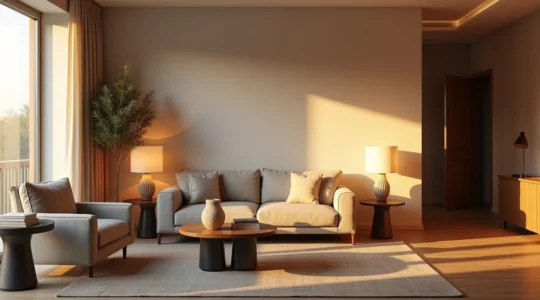
Ambient Lighting Design: How to Layer Light for Perfect Room Atmosphere?
That single, harsh overhead fixture is the source of your home’s flat and uninviting atmosphere. The solution isn’t just adding more lamps; it’s about learning to think like a designer. By strategically layering ambient, task, and accent lighting, you can…
Read more
Spatial Layout Optimization: How to Make Any Room Feel 30% Larger?
Making a room feel genuinely larger isn’t about visual tricks like mirrors or light paint; it’s about mastering the room’s flow and functionality. Pulling furniture away from walls creates “psychological breathing room” and defines intuitive movement paths. In small spaces,…
Read more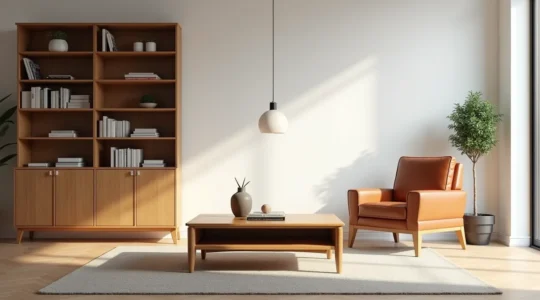
Furniture Selection Mastery: How to Choose Pieces That Last 15+ Years?
The key to buying furniture that lasts is to evaluate it as a long-term asset, not a short-term purchase, by prioritizing structural integrity and total cost of ownership over initial price. Solid wood and high-performance fabrics often have a lower…
Read more
Color Palette Selection: How to Choose Colors That Transform Room Atmosphere?
Contrary to popular belief, creating a stunning room isn’t about rigidly following design rules, but about understanding the psychology of color to intentionally craft a specific mood. The biggest mistakes stem from ignoring color undertones and failing to test how…
Read more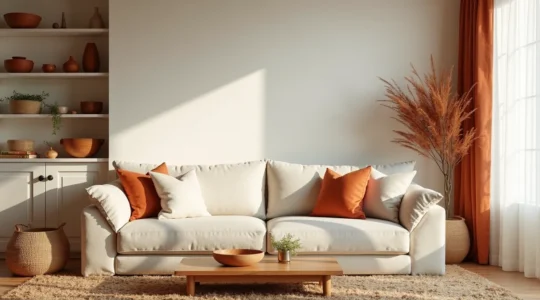
Home Decor for Beginners: How to Create a Cohesive Space Without a Designer
The secret to a designer-look home isn’t a bigger budget; it’s a cohesive plan built on understanding your personal needs before you buy a single item. Define your “Style DNA” based on your lifestyle and routines to avoid costly, mismatched…
Read more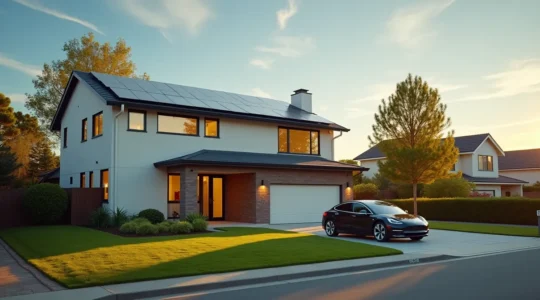
Residential Renewable Energy: How to Achieve Energy Independence Cost-Effectively?
True, cost-effective energy independence is achieved not by maximizing generation, but by systematically minimizing consumption first; the most profitable green energy is the energy you don’t have to produce. An “efficiency first” approach, starting with an energy audit and smart…
Read more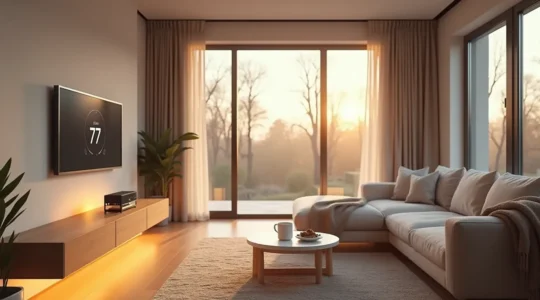
Smart Home IoT: Automate Your Home for Measurable Gains, Not Overwhelming Complexity
A truly smart home saves you money and time; it’s not just a collection of complicated gadgets that don’t work together. Focus on building a cohesive system around a single ecosystem (like Google or Alexa) to ensure devices communicate seamlessly….
Read more