Travel & Leisure
Travel has evolved far beyond simply visiting new places and checking landmarks off a list. Modern travelers increasingly seek meaningful experiences that create lasting memories, foster genuine cultural connections, and push personal boundaries through adventure. Yet many people struggle to transform their trips from generic tourism into truly transformative journeys that resonate long after returning home.
This comprehensive resource explores the essential dimensions of purposeful travel and leisure activities. Whether you’re seeking authentic cultural immersion, planning your first major expedition, or pursuing adrenaline-fueled adventures, understanding these core principles will help you design experiences aligned with your values. From practical planning strategies that prevent costly oversights to safety protocols for extreme activities, these insights empower you to travel with confidence and intention.
How to Achieve Authentic Cultural Immersion
The difference between superficial tourism and genuine cultural understanding often comes down to where you stay, how you interact, and when you participate in local life. Research consistently shows that travelers who prioritize authentic encounters report significantly higher satisfaction and develop deeper appreciation for the destinations they visit.
Choosing Neighborhoods Over Tourist Districts
Staying in residential neighborhoods rather than hotel-concentrated tourist zones fundamentally changes your travel experience. Local neighborhoods offer organic encounters with daily life—morning markets, neighborhood cafés, community parks—that reveal cultural nuances invisible in tourist areas. You’ll observe how people actually live, shop, commute, and socialize, providing context that transforms your understanding of a place beyond its postcard attractions.
These areas typically feature family-run guesthouses, apartment rentals, and smaller hotels where staff have time for genuine conversations. The restaurants serve locals rather than tourists, offering authentic cuisine at realistic prices while providing opportunities to observe social dining customs firsthand.
Creating Meaningful Connections With Residents
Connecting with local people doesn’t require perfect language skills or intrusive behavior. Simple strategies like language exchange meetups, cooking classes taught by residents, or shared meals create natural frameworks for interaction. Many cities host conversation exchange events where locals practice foreign languages while visitors learn the local tongue—a mutually beneficial arrangement that often leads to genuine friendships.
The key is approaching these interactions with humility and genuine curiosity rather than treating locals as cultural artifacts to be studied. Asking permission before photographing people, learning basic courtesy phrases, and showing interest in contemporary life rather than just historical traditions demonstrates respect that opens doors.
Balancing Guided Tours and Independent Exploration
First-time visitors to unfamiliar destinations often wonder whether guided tours or independent exploration better serves cultural understanding. The answer typically involves strategic combination. Expert-led tours provide essential historical context and access to sites requiring specialized knowledge, while independent wandering allows spontaneous discoveries and unmediated observations.
Consider starting with a guided orientation tour to understand a city’s layout and major themes, then spending subsequent days exploring independently with that foundation. The most common mistake blocking authentic cultural encounters is remaining exclusively within organized tour groups throughout an entire trip, creating a bubble that separates you from organic local interactions.
Designing Travel Experiences That Create Lasting Memories
Most travelers return home with vivid memories that fade surprisingly quickly. Studies indicate that the majority of people struggle to recall specific details from trips within months of returning. Understanding how memory formation works allows you to design experiences with greater emotional resonance and longevity.
The Paradox of Photography and Memory Retention
While documenting trips seems essential for preservation, excessive photography can actually weaken memory formation. When you experience moments primarily through a camera screen, your brain engages differently than when you’re fully present. Research suggests that taking fewer, more intentional photos strengthens long-term recall because you’re actively observing and encoding experiences rather than passively recording them.
The strategy isn’t abandoning photography but being selective. Take photos at the beginning and end of experiences, then put the camera away during the actual activity. This approach provides visual reminders while ensuring your attention remains focused on genuine participation.
Daily Journaling for Emotional Impact
Dedicating just ten minutes each evening to reflective journaling dramatically improves memory retention and emotional processing. Rather than merely listing activities, focus on sensory details, emotional responses, and surprising observations. What smells dominated the spice market? How did you feel when you successfully navigated public transportation in an unfamiliar language? What unexpected kindness did you encounter?
This practice transforms fragmented experiences into coherent narratives that your brain can more easily store and retrieve. The act of writing consolidates memories while they’re fresh, preventing the rapid fading that affects most travel recollections within weeks of returning.
Choosing Memory Preservation Methods
The debate between digital albums and physical scrapbooks centers on how different formats create memory anchors. Physical scrapbooks require active curation—selecting photos, arranging layouts, adding contextual notes—which deepens memory consolidation through repeated engagement with the material. Digital albums offer convenience and unlimited capacity but require less cognitive processing.
Many travelers find hybrid approaches most effective: maintaining digital archives for comprehensive documentation while creating physical albums or photo books for the most meaningful trips. The tactile experience of flipping through pages and the visual permanence of printed photos provide stronger retrieval cues than scrolling through digital files.
Mastering Efficient Travel Planning Without Overwhelm
Effective travel planning balances thoroughness with flexibility. The goal is addressing practical necessities and preventing costly oversights while preserving space for spontaneity that often creates the most memorable moments.
Strategic Timing for Bookings
Understanding optimal booking windows saves significant money and secures better options. For international flights, the sweet spot typically falls between two and four months before departure for most destinations. Booking too early often means paying premium prices before sales occur, while last-minute bookings face limited availability and inflated rates.
Accommodations follow different patterns. Popular hotels in high-demand destinations should be booked earlier, while local guesthouses and apartments often offer better rates closer to arrival dates. Activities and tours can usually wait until you’ve confirmed major logistics, allowing flexibility to adjust plans based on weather, energy levels, and recommendations you gather.
Creating Comprehensive Checklists
A well-designed master checklist addresses the vast majority of travel contingencies across three phases: pre-departure preparation, packing essentials, and on-trip necessities. The most effective checklists are customizable templates organized by category rather than simple linear lists.
- Documentation: passports, visas, travel insurance, accommodation confirmations, emergency contacts
- Financial: currency, credit cards, backup payment methods, daily budget tracking tools
- Health: medications, prescriptions, first aid supplies, vaccination records
- Technology: devices, chargers, adapters, offline maps, translation apps
- Communication: informing banks of travel dates, setting up international phone plans, emergency contact protocols
Essential Travel Insurance Considerations
The planning oversight that most frequently costs travelers hundreds in emergency expenses is inadequate or absent travel insurance. Not all coverage types address the same risks, and understanding which protections matter most for your specific trip prevents expensive surprises.
Trip cancellation coverage reimburses non-refundable expenses if you must cancel before departure due to covered reasons like illness or family emergencies. Medical coverage addresses healthcare costs abroad, particularly important since domestic health insurance often provides limited or no international coverage. Baggage protection compensates for lost, stolen, or delayed luggage, while evacuation coverage handles costs of emergency medical transport.
Defining Clear Travel Goals for Purpose-Aligned Experiences
Unclear trip objectives lead to post-travel regret more often than any single planning mistake. When you haven’t identified what you’re actually seeking from a journey, you make reactive decisions that may not serve your deeper intentions.
Identifying Your Core Travel Values
Three reflective questions help clarify what matters most to you when traveling. First: What energizes you more—discovering new places and activities, or deeply understanding fewer locations? Second: Do you return from trips feeling most fulfilled when you’ve been physically active, intellectually stimulated, or emotionally restored? Third: What specific experiences from past trips have you recalled most frequently and fondly?
Your answers reveal whether you’re naturally drawn toward breadth or depth, activity or relaxation, novelty or mastery. This self-awareness shapes every subsequent planning decision, from destination selection to daily scheduling.
Matching Itinerary Styles to Personality Types
Relaxation-focused itineraries prioritize restoration through slower pacing, comfortable accommodations, spa experiences, beach time, and minimal daily transitions. Adventure-packed itineraries emphasize physical challenges, novel experiences, full schedules, and stimulating variety. Most travelers fall somewhere along this spectrum rather than at the extremes.
The mismatch between itinerary style and personal preference causes significant dissatisfaction. Someone seeking restoration who books an action-packed tour returns exhausted rather than refreshed. Conversely, adventurous spirits stuck in resort environments often feel restless and unfulfilled. Honest self-assessment prevents these costly misalignments.
Resolving Group Travel Conflicts
When traveling with others whose goals differ from yours, conflicts are inevitable without explicit alignment. A four-step collaborative process helps groups find common ground: each person independently identifies their top three trip priorities, the group shares these priorities without judgment, everyone identifies overlapping interests, and finally the group designs an itinerary incorporating shared priorities while allowing time for individual pursuits.
This approach acknowledges that complete alignment isn’t necessary. Building in half-days or full days where people pursue separate interests, then reunite for shared meals or activities, satisfies diverse preferences while maintaining group cohesion.
Discovering Transformative Benefits of Hiking and Trekking
Multi-day hiking experiences offer unique physical and mental wellness benefits that shorter activities cannot replicate. The combination of sustained physical exertion, natural immersion, simplified daily routines, and achievement of challenging goals creates powerful psychological effects.
Preparing for your first extended trek doesn’t require expensive gear investments. Essential items include properly fitted boots broken in before the trip, moisture-wicking layers, a comfortable backpack, and quality sleeping gear if camping. The most common beginner mistake causing preventable injuries is inadequate physical preparation—attempting difficult trails without gradually building endurance and strength.
Start with shorter day hikes on varied terrain, progressively increasing distance and elevation gain over weeks or months. This conditioning prevents the overuse injuries, blisters, and exhaustion that plague unprepared trekkers. Scheduling considerations include matching trail difficulty to current fitness levels, choosing seasons with favorable weather for your target destination, and allowing buffer days in case of delays or needed rest.
Embracing Coastal Water Sports as Accessible Adventures
Ocean-based activities provide adrenaline-rich experiences that are surprisingly accessible to beginners with proper instruction and safety awareness. Choosing your first water sport depends primarily on current fitness level and comfort with water immersion.
Paddleboarding requires the least technical skill and offers stable platforms for those building water confidence. Kayaking demands moderate upper body strength and coordination but provides excellent coastal exploration opportunities. Surfing presents the steepest learning curve, requiring patience, physical fitness, and comfort with wave dynamics, but delivers unmatched exhilaration.
Assessing Water Conditions Before Entry
Three essential checks prevent most coastal activity mishaps. First, observe wave patterns for at least five minutes—waves come in sets with varying heights, and understanding the rhythm helps you time entry and exit. Second, identify rip currents by looking for areas where water appears darker, choppier, or flows outward from shore. Third, check wind direction and strength, as offshore winds push swimmers away from shore while onshore winds create difficult paddling conditions.
The safety mistake endangering many first-time ocean swimmers is overestimating swimming ability in pool contexts. Ocean swimming involves currents, waves, temperature changes, and distances that exhaust even strong pool swimmers. Always stay closer to shore than you think necessary until you’ve accurately calibrated your ocean swimming capacity.
Transforming Cultural Heritage Site Visits Into Meaningful Experiences
Historical and cultural sites offer profound learning opportunities when approached thoughtfully rather than treated as photo backdrops. Audio guides and specialized apps uncover hidden stories, architectural details, and historical contexts that aren’t immediately visible, transforming passive observation into active discovery.
Timing visits to avoid peak crowds dramatically improves contemplative engagement. Most popular sites experience distinct crowd patterns—lightest attendance typically occurs during early morning opening hours or late afternoon before closing. Midweek days see fewer visitors than weekends, and shoulder seasons offer the ideal balance of manageable crowds and favorable weather.
Understanding UNESCO World Heritage Designation
When sites carry UNESCO World Heritage status, this designation indicates recognized outstanding universal value based on specific criteria: representing masterpieces of human creative genius, exhibiting important cultural exchanges, bearing unique testimony to civilizations, or constituting superlative natural phenomena. The designation also means the site meets authenticity or integrity standards and has adequate protection and management systems.
For visitors, this designation suggests sites worth prioritizing but doesn’t guarantee enjoyable experiences. Some World Heritage Sites manage tourism thoughtfully while others suffer from overcrowding and commercialization. Research individual site conditions before visiting.
Pursuing Extreme Adventures Through Calculated Risk-Taking
Activities like skydiving, bungee jumping, and BASE jumping allow people to push personal boundaries in controlled environments. Understanding comparative risk profiles helps make informed decisions aligned with your comfort level and experience.
Skydiving with certified operators and tandem instructors presents statistically low risk when conducted properly. Bungee jumping from regulated commercial sites maintains similar safety records. BASE jumping—parachuting from fixed objects—carries significantly higher risk and requires extensive skydiving experience first. These aren’t beginner activities despite some operators marketing them as such.
Critical Safety Protocols
The pre-jump safety check that many first-timers skip involves personally verifying equipment rather than passively trusting operators. Ask questions about equipment age, inspection schedules, and certification. Observe whether staff rush through safety briefings or provide thorough, patient instruction. Request to see credentials and safety records.
Red flags indicating unsafe operators include:
- Pressure tactics or dismissing safety questions as unnecessary worry
- Equipment that appears worn, damaged, or poorly maintained
- Staff unable to provide documentation of certifications or insurance
- Operations lacking clear emergency protocols or communication systems
- Pricing significantly below market rates for comparable activities
Legitimate adventure operators welcome questions, maintain transparent safety records, employ certified staff, and prioritize thorough preparation over rapid customer throughput. Your intuition about operator professionalism deserves respect—if something feels wrong, choosing a different provider or skipping the activity entirely is always the right decision.
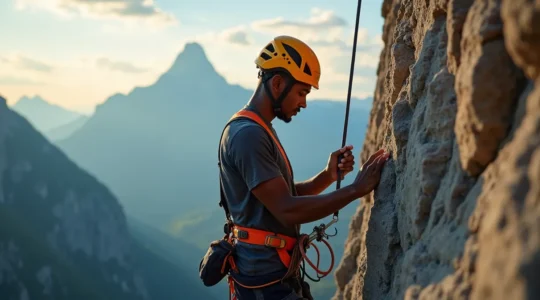
Extreme Adventures: Chase Adrenaline, Not Catastrophe—A Guide to Calculated Risk
Chasing adrenaline isn’t about being fearless; it’s about becoming a master risk-investor for your own life. True safety lies in a mental framework, not just gear, by differentiating real versus perceived danger. Building a diversified “skill portfolio”—from mental prep to…
Read more
How to Experience Cultural Heritage: A Scholar’s Guide to Deeper Connection
The key to transforming a sterile site visit into a profound experience lies in shifting from a tourist’s mindset to a scholar’s methodology. Most travel advice is too vague; a structured learning framework is what unlocks deeper meaning at cultural…
Read more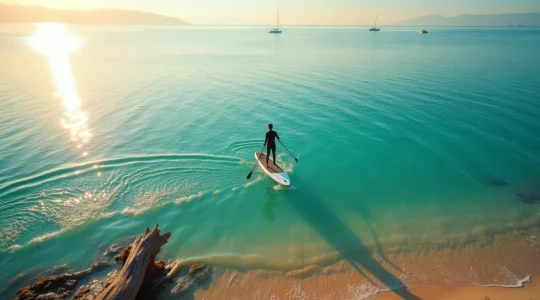
Coastal Water Sports for Beginners: How to Dive Into Ocean Adventures Safely?
The key to safely enjoying ocean sports isn’t buying more gear; it’s building genuine “water competence” to turn intimidation into respect. Instead of just picking the “easiest” sport, match an activity to your specific fitness level and personality for better…
Read more
Exploring Nature: Why Hiking Offers More Than Just Exercise
The greatest benefits of hiking aren’t from simply ‘being outdoors’—they come from understanding how trails systematically retrain your body’s stability and your brain’s focus. Uneven terrain provides crucial proprioceptive training that protects joints, a benefit flat-surface exercise cannot offer. Nature…
Read more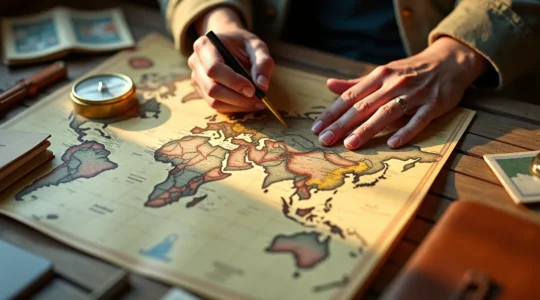
How to Define Your Itinerary Goals Before Booking Anything?
In summary: Shift from destination-focused planning to value-driven itinerary design to avoid common travel regrets. Identify your core travel values by asking deep, reflective questions about what truly energizes and fulfills you. Choose an itinerary style (e.g., slow vs. fast-paced)…
Read more
Travel Planning Simplified: How to Organize Every Detail Without the Stress
The key to stress-free travel isn’t a longer checklist; it’s a smarter, more dynamic planning system. Prioritize your trip’s purpose before booking to align your budget with memorable experiences, not just logistics. Adopt a “phased commitment” booking strategy and a…
Read more
How to Transform Fleeting Travel Moments Into Memories That Last a Lifetime?
Contrary to popular belief, the key to lasting travel memories isn’t capturing more photos, but intentionally processing fewer, more meaningful moments. The “photo-taking impairment effect” shows that outsourcing your memory to a camera lens weakens your actual recall. Lasting memories…
Read more
Cultural Immersion Through Travel: How to Build Authentic Connections Beyond Tourist Attractions
The secret to authentic travel isn’t a checklist of ‘local’ activities, but a deliberate shift in mindset from a passive observer to an engaged participant. Prioritize staying in real neighborhoods over tourist zones to experience the daily rhythm of life….
Read more